
Great Uncle George
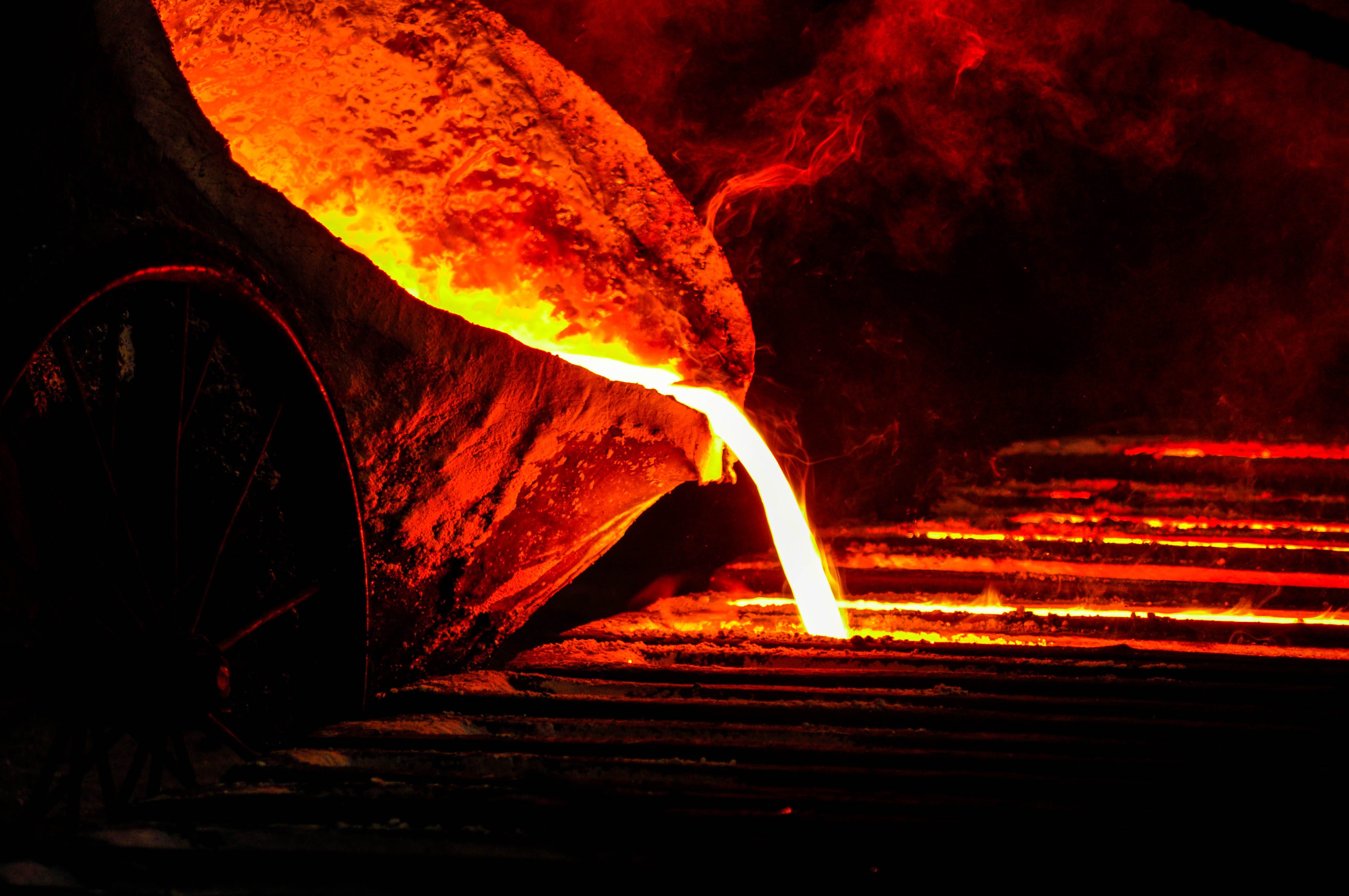
My great uncle George worked in a foundry, shovelling coal into the furnace all day. It was hard physical work, dirty and dangerous. At the end of the day, they’d quench their raging thirst by downing pints of beer in minutes, the ale practically evaporating as it went down their throats.
In the evening, he and my Aunt Dot would go to the Working Mens Club and he’d drink several more beers to dull the pain from his labours.
They lived in Nottingham and so I didn’t really know him that well. We went to visit once and I remember going with Aunt Dot to take him his sandwiches. We stood at the entrance to the foundry as it was too dangerous to enter and he came out to say hello to us and get his lunch.
I can still clearly remember the experience of looking in - the flames and sparks, the cacophony of shouting and clanging metal, the acrid smells and wave of intense heat that engulfed us. It was like Dante’s Inferno in there and I was awestruck and a little bit scared.
Great Uncle George never got to draw his pension. The job killed him in his fifties, as it did many others. Grinding, grimy, energy-sapping work in a dangerous and unhealthy environment shortened his life.
We don’t do obviously dangerous and unhealthy jobs like that anymore. We sit in clean offices, in comfortable chairs, looking at screens and tapping on keyboards. The biggest effort we expend is lifting a coffee cup. So we think that we are safe.
But we’re not. That’s a big mistake the leaves us vulnerable to the dangers that surround us.
You see, the dangers in the modern workplace are hidden, they are insidious, concealed in the everyday. However, they are just as dangerous, shortening the lives of employees and claiming a few.
Great Uncle George’s workplace was physically dangerous, the work was physically draining. Our workplaces are psychologically dangerous, the work psychologically draining.
The damage is internal, although it does have physical symptoms. Burnout is a common phenomenon these days. Jeffrey Pfeiffer has documented the increases in heart disease and pulmonary illnesses caused by stress in his book ‘Dying For A Paycheck’.
Then there are dangers of having bad boss or being bullied, detectable but often subtle threats.
How do we protect ourselves against these dangers?
The first step is to recognise the danger. Forewarned is forearmed.
We need to reframe our view of work and the workplace as somewhere that is likely to contain dangers that we must take precautions against, rather than consider it somewhere that is quiet benign unless we are unlucky. It’s not the few that are being adversely impacted by today’s workplace, it’s the majority (6 in 10 are ‘not engaged’).
Then we need to put protections in place.
It’s reckless and unwise go into a building site without a hard hat or to carry a naked flame into a gunpowder store. It’s reckless to go into a workplace and just hope that it’s not harmful or dangerous.
Listen to what your body is telling you, stay alert and look for the signs of danger. Don’t be fooled by the corporate gloss. Don’t be lulled into a false sense of security by the soft furnishings and subdued lighting. Don’t be taken in by the banality of it all.
Great Uncle George could see the dangers he was exposed to. The ones you face are hiding in plain sight.
Image by Erdenebayar Bayansan from Pixabay
I am planning to facilitate some zoom conversations to explore the issues discussed here, share experiences and work on some possible answers. If you are interested in taking part, you can register your interest on this form.
As always, I’d love to hear your views and your stories, so please get in touch.
At least the threats that menaced Great Uncle George as he worked were visible in plain sight. As you note, we don't have that luxury in post-post-modernity (or whatever fancy name the professors have assigned to this era). The dangers in a typical white collar office are often camouflaged.